
Design Chat: Crafting a Beautiful, Interactive Kids Study
A practical guide to location, layout, and lighting for a space that balances focus with family connection.
When planning a family home, the Kids Study always requires thoughtful consideration. Unlike an adult's Home Office, which often prioritizes absolute quiet and high privacy, children have fundamentally different needs. They certainly need focus, but they equally require a sense of psychological security, spatial interaction, and moderate supervision.
Today I want to share a few practical approaches to designing a Kids Study. By exploring three key dimensions—Location, Layout, and Lighting—we’ll look at how to create an ideal study area that encourages concentration while perfectly aligning with your family's daily rhythm.
1. Location: Embracing Natural Light and Moderate Connection
When selecting the perfect spot for a Kids Study, the first thing we look for is natural light. Abundant sunlight not only brightens the entire space but is also incredibly beneficial for protecting children's eyesight and boosting their learning efficiency.
Secondly, when it comes to spatial placement, many parents actually prefer that their children's study area isn't completely isolated from family activities. The ideal scenario is a separate room or designated zone where parents can still maintain a visual connection.
For example, consider planning it near the Family Room or Kitchen. This way, whether you're prepping dinner at the island or relaxing on the sofa, a quick glance up provides the moderate supervision they need at this age. This placement preserves the independence of the study space while keeping the family's emotional connection tight.
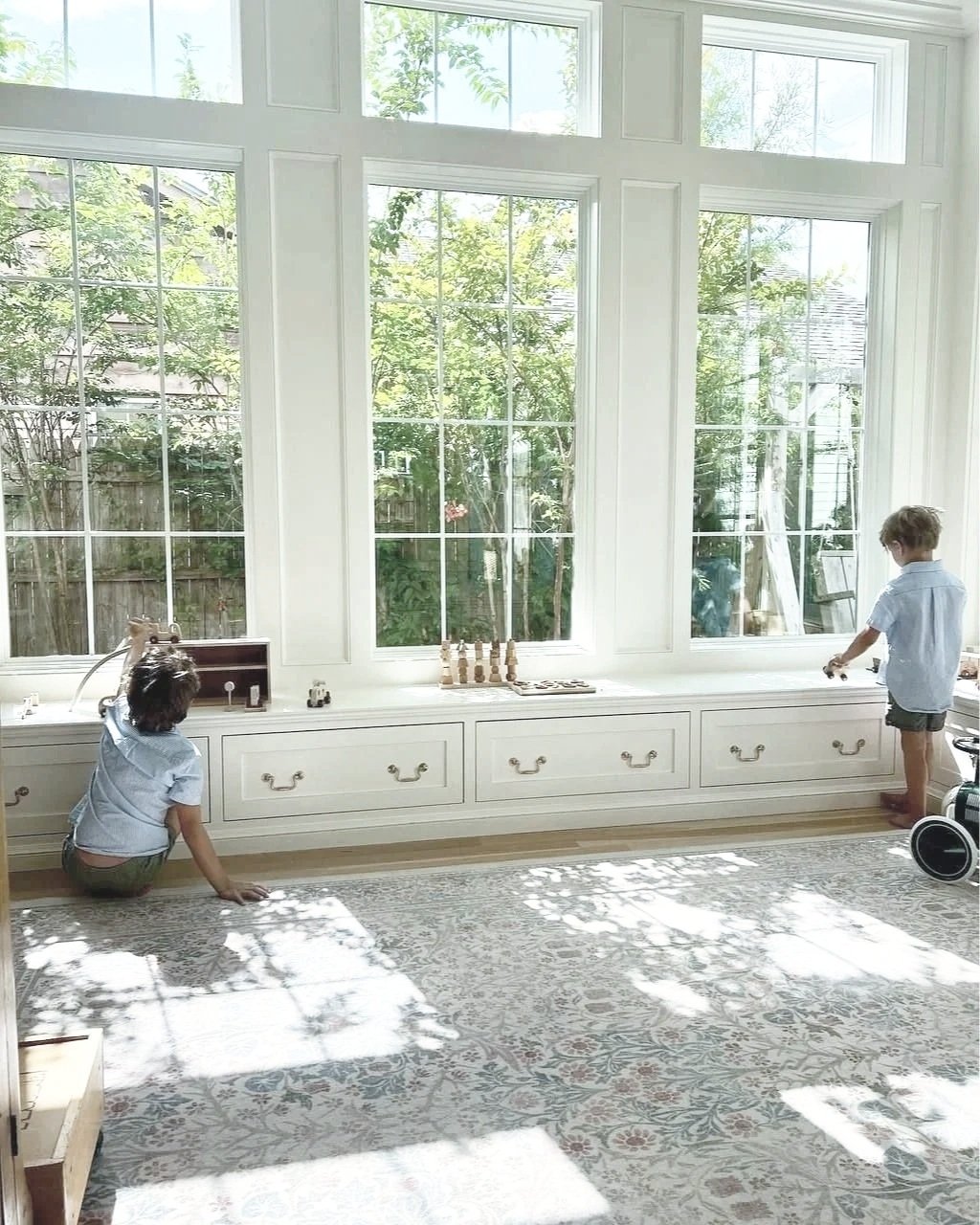
The power of expansive glazing and natural light in a learning environment.
Design: Studio McGee | Photography: Lucy Call
2. Layout: Enhancing Security and Integrating Lifestyle
Placing a desk against a wall or facing a window is a classic and common choice, especially for clearly defining independent zones in a multi-child household. However, if space permits, we can explore more dynamic options. Sitting with one's back to the room's entrance for long periods can sometimes create a lack of security (especially for kids) and feels less flexible when teamwork is needed.
To elevate the layout, we can try the following:
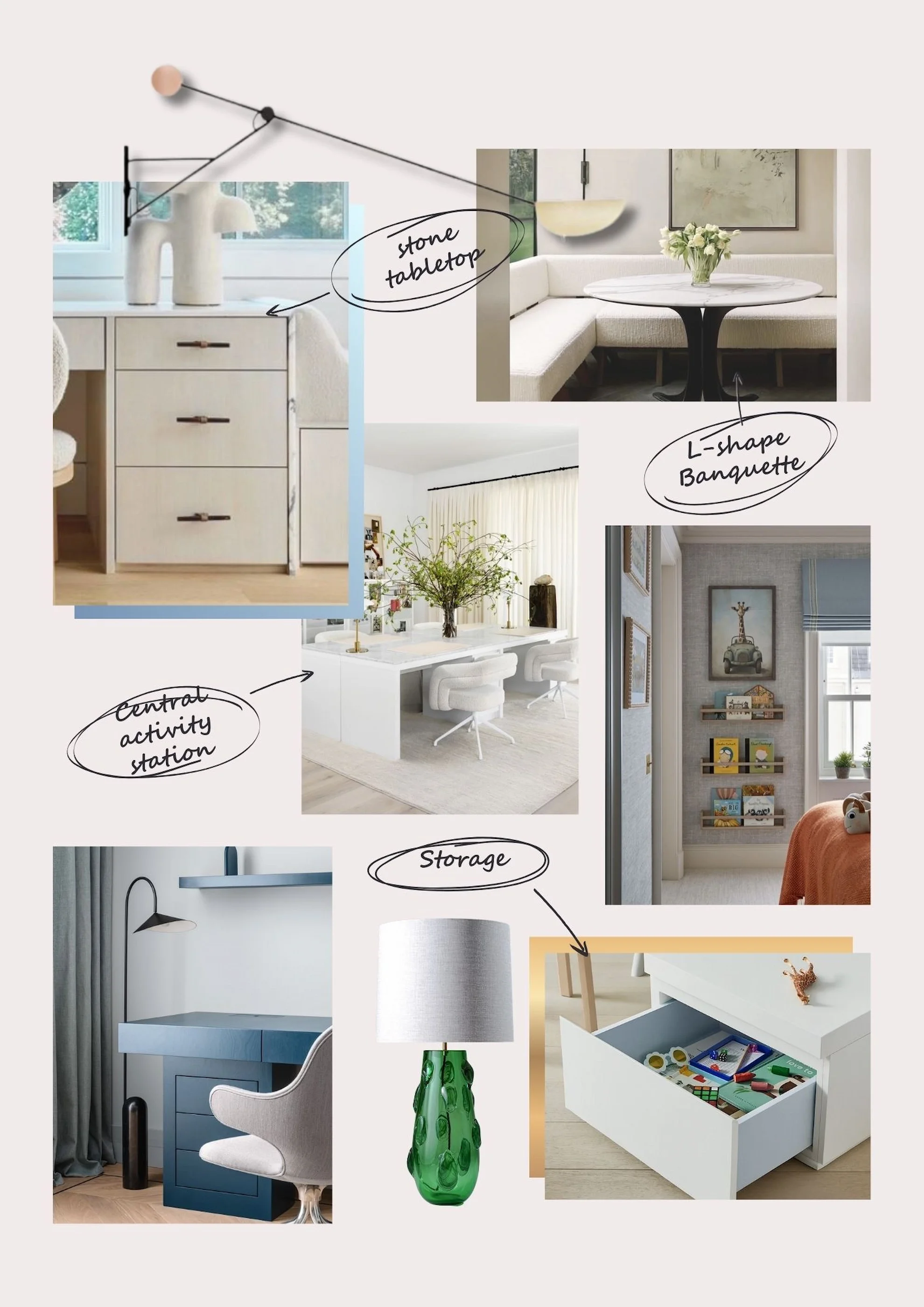
A Central Desk: I highly recommend placing a generous, multi-functional desk right in the center of the room. This instantly solves the security issue of having their back to the door and immediately creates a collaboration hub. Whether it's daily homework, crafts, puzzles, or team projects with friends, everything can revolve around this central table.
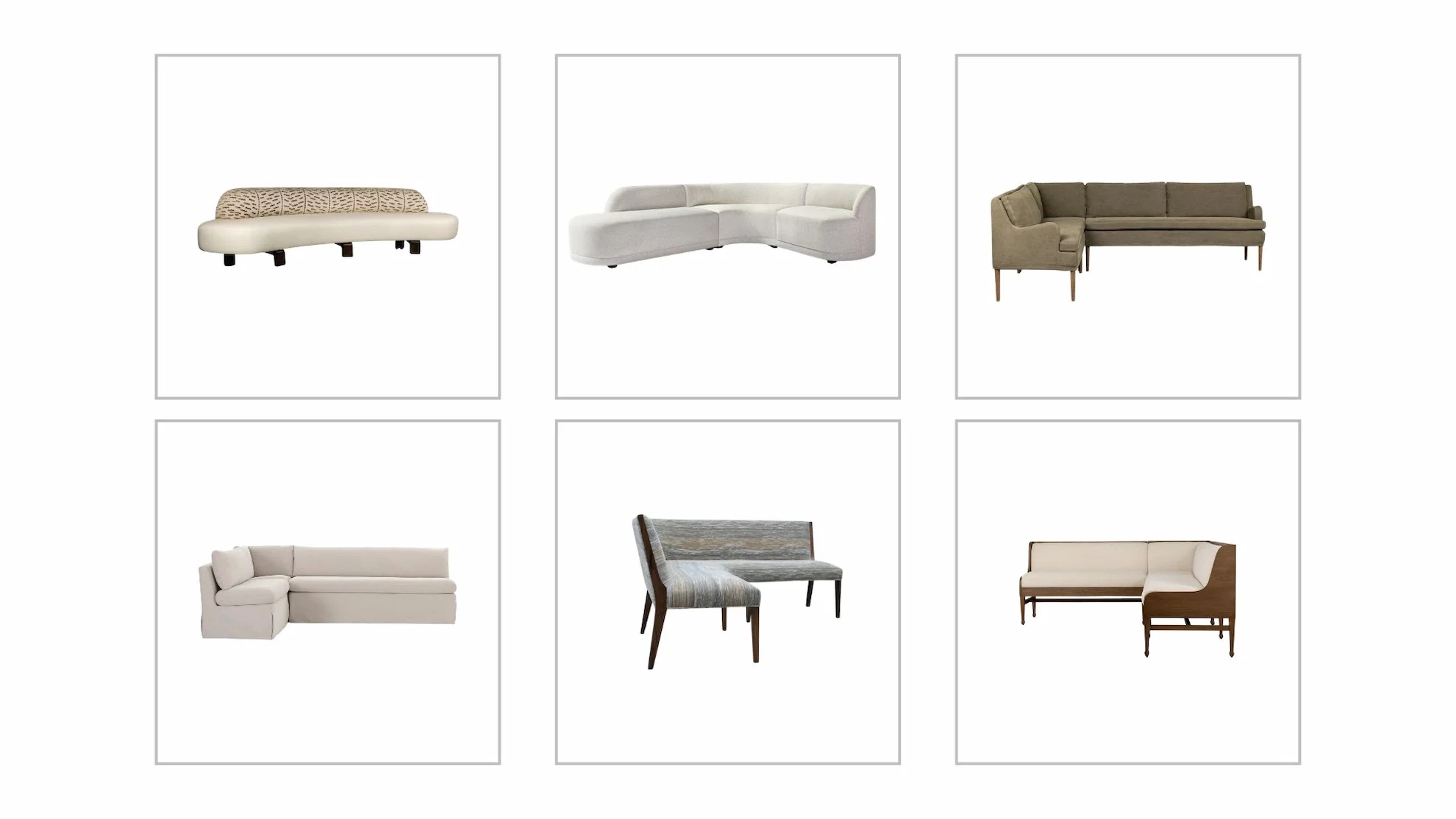
Designing for Real Life: Before diving into the design, I always suggest considering the family's actual daily routines—does this space need to accommodate other activities? For instance, do you want it to double as a Kids Lounge? If the answer is yes, we can cleverly introduce L-shaped banquette seating paired with the central desk. Not only does this create a cozy reading nook for the kids and a relaxed spot when friends come over, but in everyday life, this generous seating arrangement greatly enhances the comfort and interactive space for parents when helping with homework.
3. Lighting: Layered Illumination that Serves the Scenario
In our design philosophy, lighting isn't just about layering—it must serve real-life usage scenarios. Because we prioritized a location with excellent natural light from the start, there isn't much need for additional general lighting during the day. The focus shifts to precisely layering task lighting and ambient light.
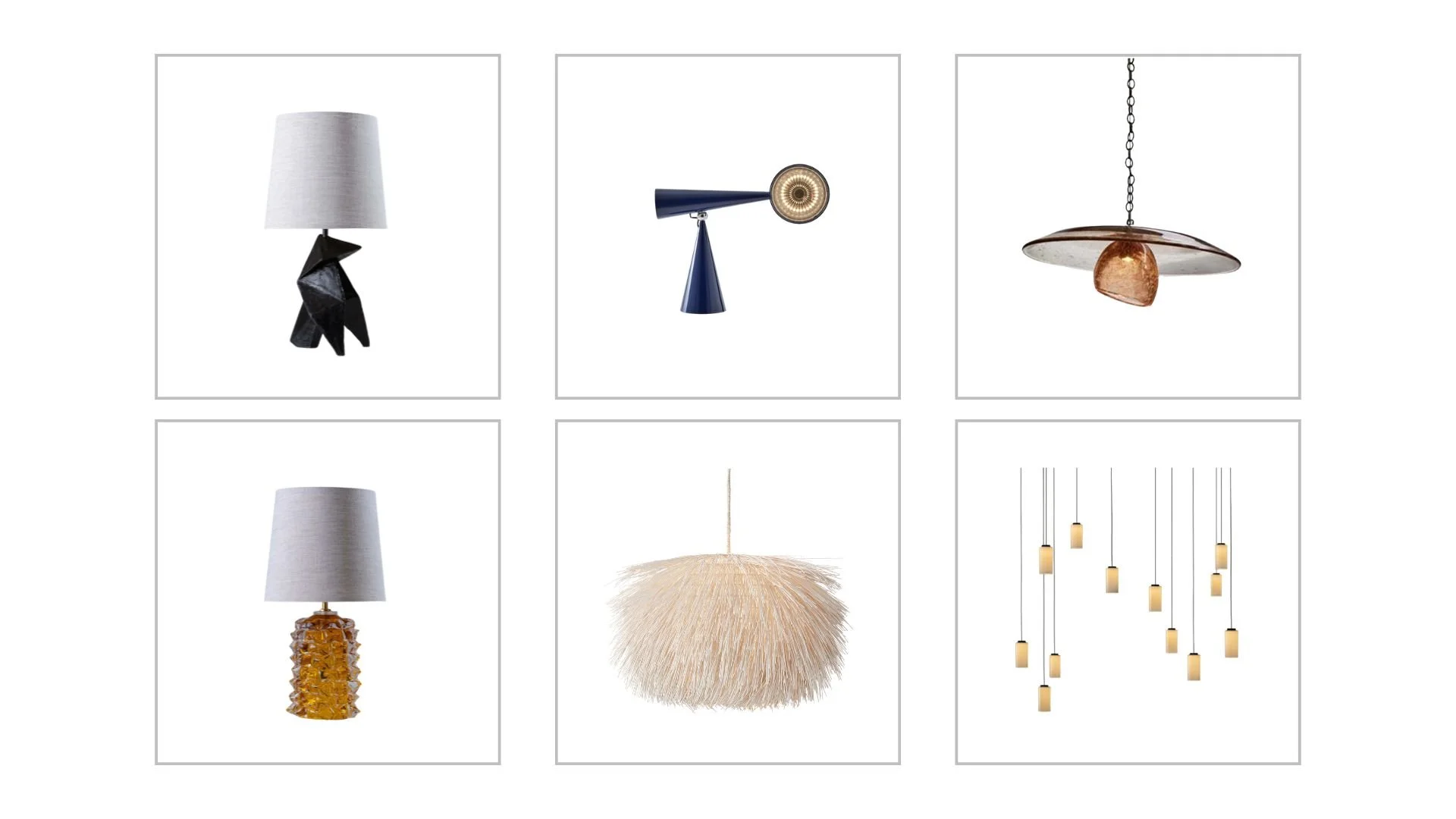
Creating a Visual Focal Point: To meet studying and reading needs, you might choose an elegantly shaped pendant suspended above the desk, a high-quality table lamp, or articulating wall sconces extending from a nearby wall. Any of these options perfectly provide task lighting and can easily serve as the visual centerpiece of the space. Regardless of the fixture you choose, you can easily play with scale and design through their forms to cleverly introduce a sense of architectural structure to the room.
Nighttime Comfort and Atmosphere: When evening falls and kids start using computer screens, we need to minimize the visual contrast between the bright screen and the darker room. This is where background lighting becomes crucial. It's worth noting that wall washing is often much more effective than lighting the floor when you want to elevate the overall brightness of a room. The soft, diffused light bouncing off the walls is incredibly gentle on the eyes and effectively reduces visual fatigue. Additionally, to enrich the nighttime lighting layers, you can introduce low-level lighting. For example, hiding uplighting behind a potted plant in the corner—this soft glow close to the ground instantly infuses the entire space with a cozy atmosphere.
Final Thoughts
Designing a space for children is never just about arranging furniture; it's a spatial narrative about growth. An excellent Kids Study provides a focused, comfortable environment for them right now, but as they grow, it will also hold more inspiration, laughter, and family memories. I hope today's Design Chat brings some practical inspiration to your own home planning.
